top of page
42ND
FPC SEMINAR + EXPO
AND CHARITY GOLF
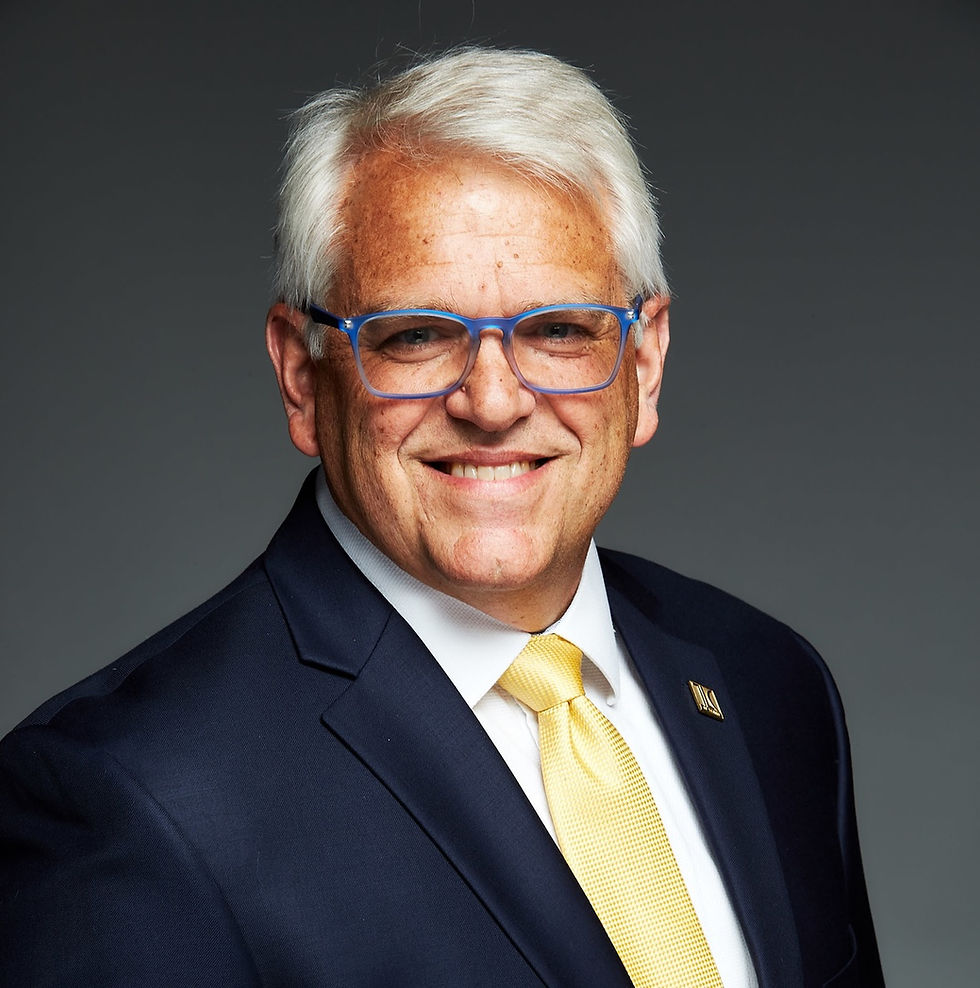
James Peterkin
PE, LEED AP, FASHE
TLC Engineering Solutions
Biography :
James brings more than 40 years of highly specialized experience in fire protection and life safety engineering to the TLC team. As a registered professional engineer focused on
fire protection engineering, he is uniquely qualified in leading multidisciplinary teams to
engineer building systems that properly detect fires, control the spread of fires, and
provide a safe means for occupants to egress a building in the event of a fire-related event
or to defend in place as is typical in Healthcare buildings. James is a registered fire
protection engineer in 21 states. Additionally, James has extensive experience in
addressing life safety/building code compliance in complex buildings, assuring the safety
of building occupants. James has been part of design teams in numerous hospitals across
the country and has assisted hospitals internationally with regulatory compliance.
James serves on many national panels and committees that develop regulations for the
design and construction of health care facilities. He is an active member of the National
Fire Protection Association and is past Chair of the NFPA Health Care Section Executive
Board.
James has been an active member of ASHE for more than 20 years and has served on
multiple committees. He currently serves as the Chair of the Regulatory Affairs
Committee which meets quarterly, at minimum, to review advocacy and compliance
issues facing health care facilities. James has been a contributor to the ASHE Members
Tool Committee (previously the Members Tool Task Force) and has been a frequent
speaker at both the ASHE PDC and ASHE Innovation Conference. James is also an
ASHE Faculty member helping to develop content and teach ASHE workshops.
Presentation :
Fire Safety Track
28: Fire Pump Acceptance Testing
Fire pump acceptance testing is a critical commissioning step required to verify that a fire pump system is properly installed, performs in accordance with NFPA 20, and is capable of delivering the required flow and pressure during a fire emergency. This course provides a comprehensive overview of the acceptance testing process, including pre-test preparation, test execution, performance verification, and documentation requirements. Participants will learn how to evaluate pump performance at key operating points (churn/no-flow, rated flow, and overload conditions), assess mechanical and electrical components, and coordinate with stakeholders such as contractors, manufacturers, and authorities having jurisdiction (AHJ). The training also highlights common field issues—such as improper installation, inaccurate instrumentation, or deviations from pump curves—and demonstrates how acceptance testing ensures system reliability before being placed into service.
bottom of page