top of page
42ND
FPC SEMINAR + EXPO
AND CHARITY GOLF
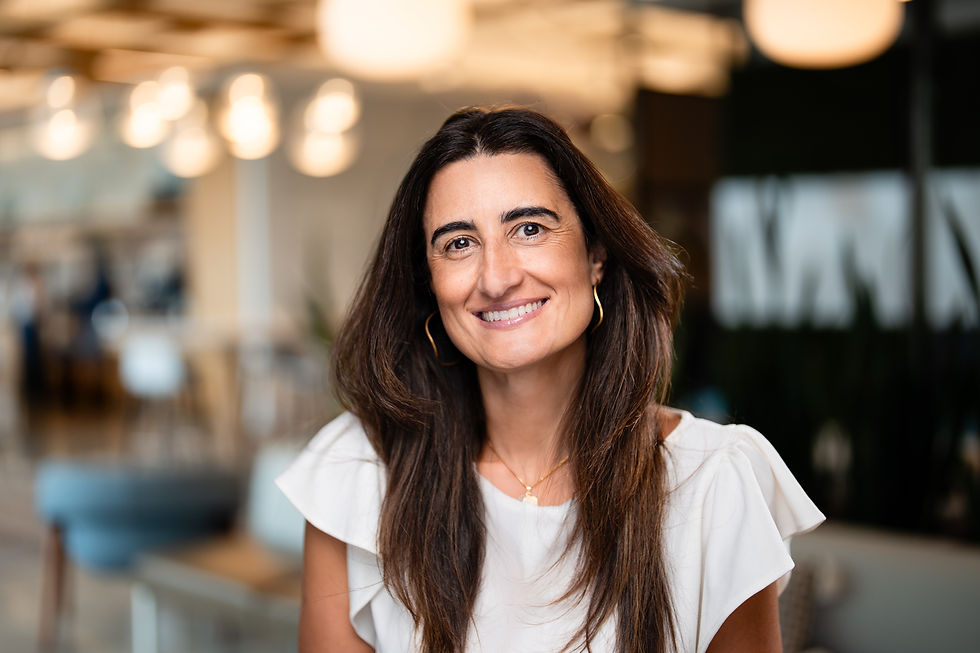
Tatiana Guimaraes
Gensler
Biography :
Tatiana Guimarães is a graduate of Clemson University’s Master of Architecture + Health program with over 25 years of experience in healthcare planning, design, and project management. She has led multidisciplinary teams across the U.S. and internationally, delivering innovative, high-performing healthcare environments.
Her work reflects a deep understanding of both new construction and renovation, integrating design, construction, and operational needs. Tatiana is committed to user-centered design, creating spaces that enhance healing, efficiency, and overall well-being while supporting long-term flexibility.
A recognized healthcare leader, she drives strategic design vision and fosters collaborative, high-performing teams. Tatiana is a former President of the AIA Academy of Architecture for Health (2015), a frequent industry speaker, an adjunct professor at Florida International University, and a trustee of the Foundation for Health Environments Research.
Presentation :
Architecture Track
07: Designing AI-Ready Cancer Centers Without Losing the Human
Florida is reshaping cancer care in real time. One of the fastest-growing and oldest populations in the country, increasing cancer incidence, and expanding access needs are pushing systems to deliver care across more sites, more people, and more conditions than ever before. At the same time, institutions like Moffitt Cancer Center are advancing models that bring research and clinical care closer together, accelerating discovery and increasing reliance on data and technology. AI is entering this environment quickly. It is changing how clinicians make decisions, how teams coordinate, and how care moves across systems. But in Florida, this shift introduces a critical tension. Many patients, particularly older adults, may not be comfortable navigating digital layers of care, even as the systems around them become more data-driven and technology-enabled. This session focuses on the role of the built environment in bridging that gap. How do we design cancer care environments that support AI-enabled workflows while preserving clarity, trust, and human connection? How do spaces reduce cognitive load for clinicians while remaining intuitive and supportive for patients? And how do evolving FGI guidelines and building codes shape what is possible, as technology becomes more embedded in care delivery? Through the lens of Florida’s unique demographics and care models, this session explores how planning, infrastructure, and workflows can align code requirements with emerging technologies to support both advanced, data-driven systems and deeply human care.
bottom of page